华东师范大学学报(哲学社会科学版) ›› 2026, Vol. 58 ›› Issue (2): 104-115.doi: 10.16382/j.cnki.1000-5579.2026.02.010

• 农村问题研究 • 上一篇    

城乡地域系统视角下县域城乡融合发展的理论逻辑与行动路径

杨传开, 宁越敏   

  • 接受日期:2026-02-10 出版日期:2026-03-15 发布日期:2026-03-31
  • 作者简介:杨传开,上海社会科学院城市与人口发展研究所副研究员(上海,200020)
    宁越敏,华东师范大学地理科学学院教授
  • 基金资助:
    国家社科基金一般项目“人口负增长背景下县城人口集聚格局、影响机制与发展潜力研究”(项目编号:23BRK041)。

Theoretical Logic and Action Path of County-Level Urban-Rural Integration from the Perspective of the Urban-Rural Territorial System

Chuankai Yang, Yuemin Ning   

  • Accepted:2026-02-10 Online:2026-03-15 Published:2026-03-31

摘要:

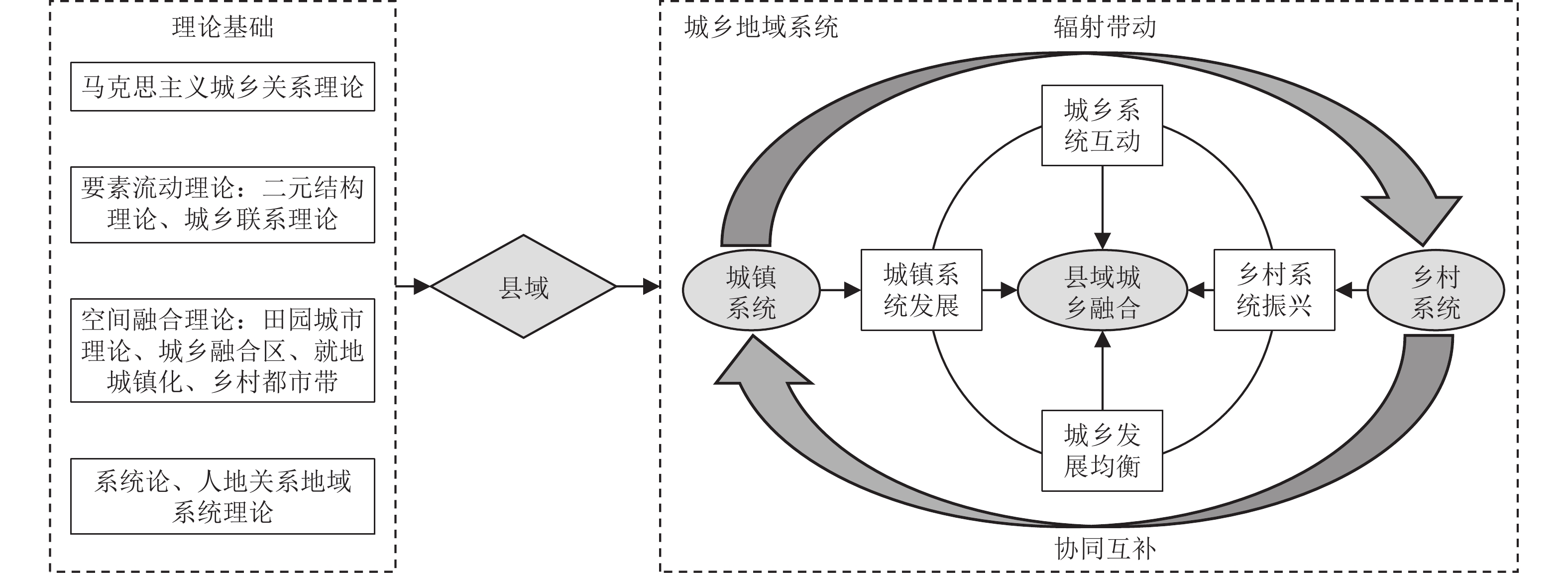
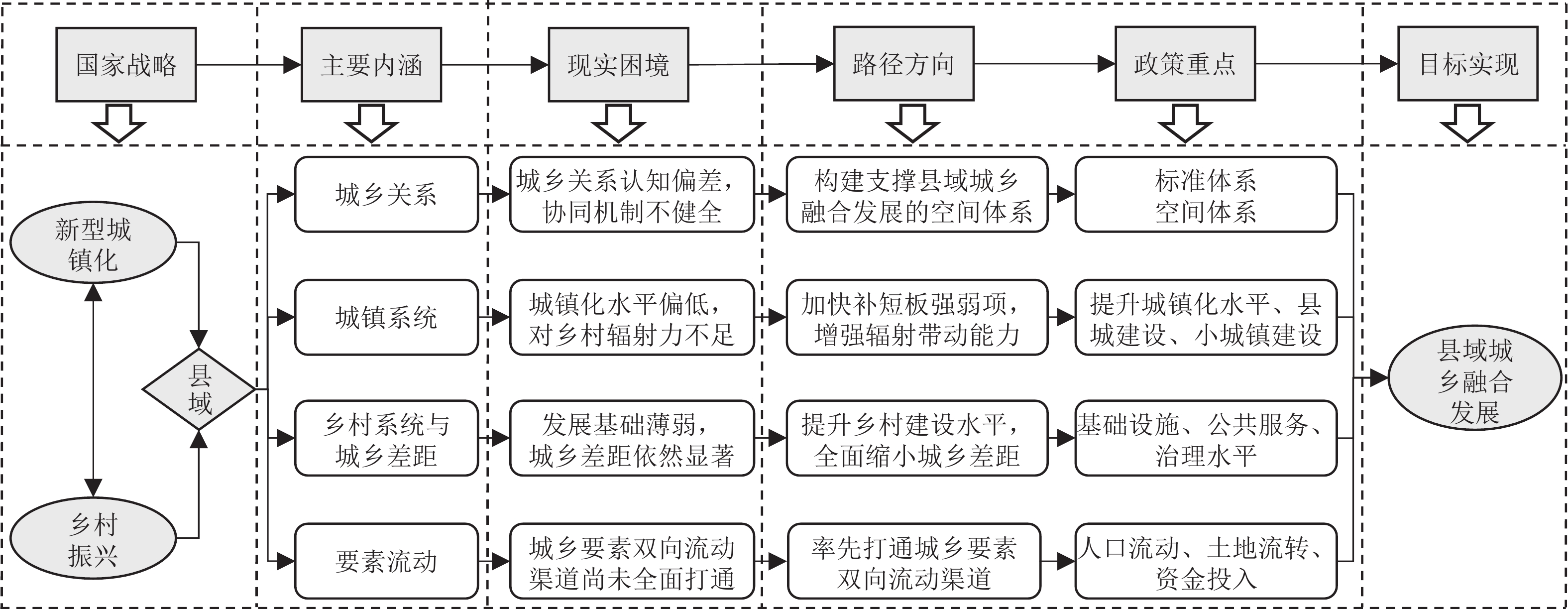
城乡融合发展是中国式现代化的必然要求。县域作为我国行政治理基本单元,处于城乡互动最前沿,是推进城乡融合发展的重要切入点。从城乡地域系统视角来看,县域城乡融合发展应包括城镇系统发展、乡村系统发展、城乡系统差距、城乡系统互动四个维度,较高的城镇发展水平、较高的乡村发展水平、城乡要素有序流动、城乡发展差距较小是其核心特征。当前,县域城乡融合发展普遍面临城镇辐射带动能力不强、乡村发展基础薄弱、城乡差距较大、城乡要素双向流动渠道未全面打通等现实挑战。未来,推进县域城乡融合发展,亟须从城乡地域系统视角出发,系统谋划城乡发展布局,在提高县域城镇和乡村发展水平的同时,着重发挥城镇对乡村的辐射带动作用,打通城乡要素双向流动渠道,进而不断缩小城乡差距,实现城乡融合发展。

关键词: 城乡融合, 县域, 乡村振兴, 城乡地域系统

Abstract:

Urban-rural integration is an inherent requirement of Chinese-style modernization. As the basic administrative unit of governance in China, the county lies at the forefront of urban-rural interaction and serves as a crucial entry point for advancing urban-rural integration. From the perspective of the urban-rural territorial system, county-level urban-rural integration encompasses four dimensions, that is, urban system development, rural system development, urban-rural system disparity, and urban-rural system interaction. Its core features include a high level of urban development, a high level of rural development, the orderly flow of urban and rural factors, and a relatively small urban-rural development gap. At present, county-level urban-rural integration in China faces several pressing challenges, such as the weak radiative and driving capacity of towns, the fragile foundation of rural development, significant urban-rural disparities, and the incomplete establishment of two-way channels for the flow of urban and rural factors. In the future, promoting county-level urban-rural integration requires adopting a systemic perspective based on the urban-rural territorial framework, scientifically coordinating urban and rural development layouts, and improving both urban and rural development capacity. Particular attention should be paid to enhancing the radiative and driving role of towns in supporting rural development and facilitating two-way flows of production factors between urban and rural areas. Through these measures, counties can gradually narrow urban-rural disparities and achieve deeper and more sustainable urban-rural integration.

Key words: urban-rural integration, county, rural revitalization, urban-rural territorial system