J. East China Norm. Univ. Philos. Soc. Sci ›› 2025, Vol. 57 ›› Issue (4): 36-47.doi: 10.16382/j.cnki.1000-5579.2025.04.003
Previous Articles Next Articles
Rui Wu, Hengwei Li
Accepted:
Online:
Published:
Abstract:
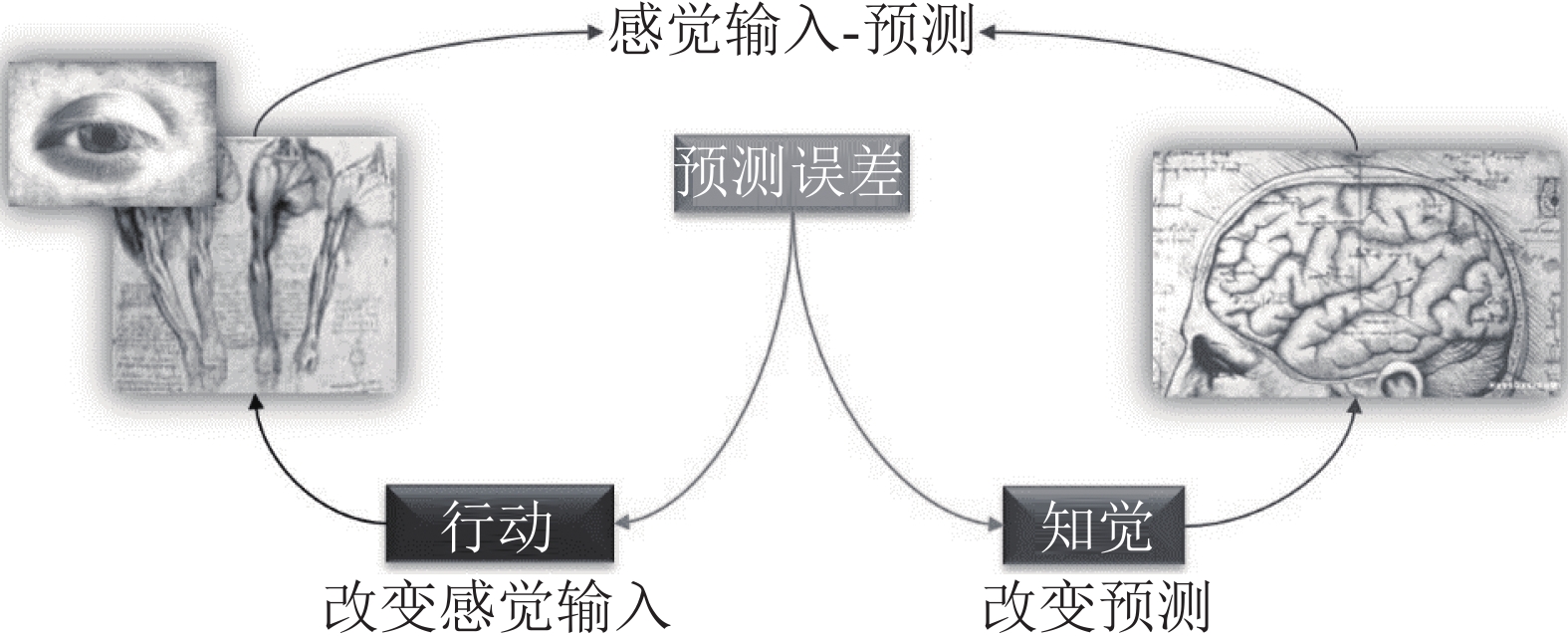
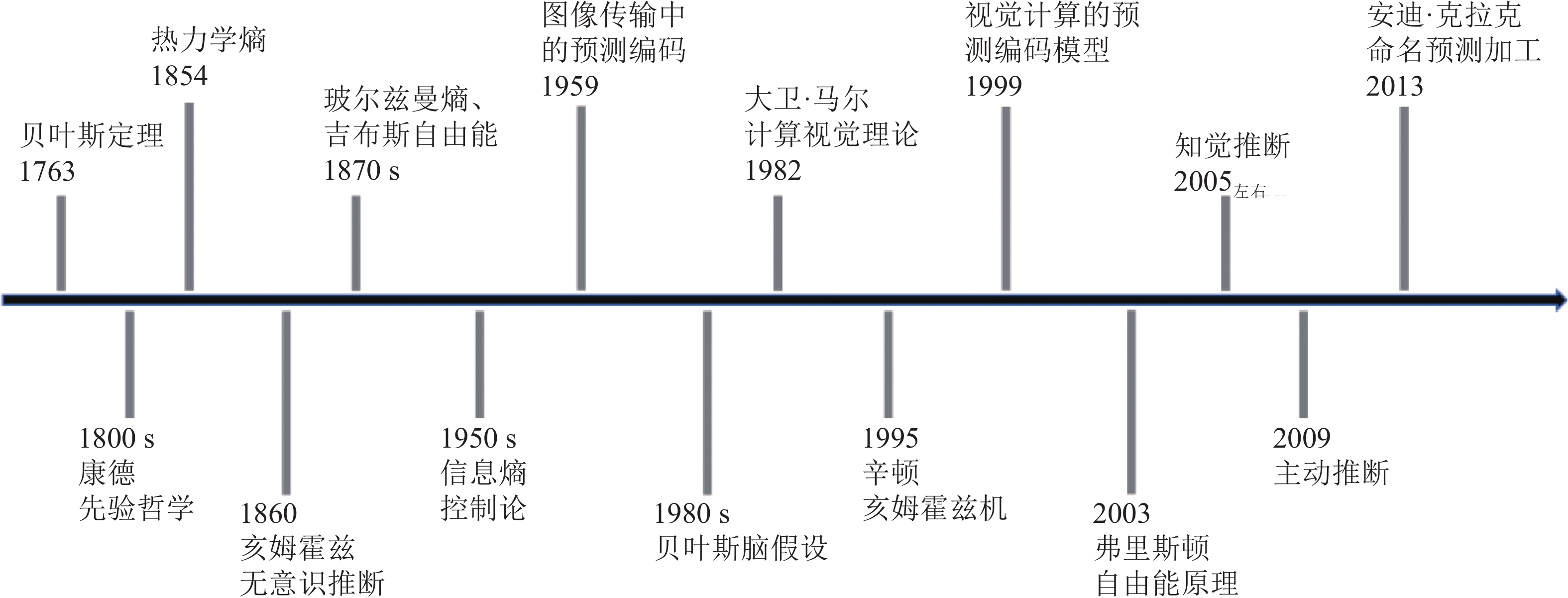
Emerging as a powerful research paradigm with broad inclusiveness in cognitive science in recent years, the predictive processing theory has garnered significant attention. Leading figures in the field anticipate that it will “offer the promise of providing a unified framework for the study of the human mind.” The development of the predictive processing theory can be divided into two major stages, i.e., philosophy and natural science. In the philosophical stage, its historical roots primarily include Kant’s transcendental philosophy and Helmholtz’s unconscious inference. In the natural science stage, it has gradually developed and improved through theories such as predictive coding in information transmission, Bayesian brain, Helmholtz algorithm in deep learning, predictive coding in visual computing, and free energy principle. This historical analysis helps to clarify the key characteristics of the developmental stages of the predictive processing theory and the intrinsic connections between related concepts.
Key words: predictive processing, predictive coding, free energy principle, active inference
Rui Wu, Hengwei Li. The Historical Development of Predictive Processing Theory[J]. J. East China Norm. Univ. Philos. Soc. Sci, 2025, 57(4): 36-47.
/ / Recommend
Add to citation manager EndNote|Reference Manager|ProCite|BibTeX|RefWorks
URL: https://xbzs.ecnu.edu.cn/EN/10.16382/j.cnki.1000-5579.2025.04.003
https://xbzs.ecnu.edu.cn/EN/Y2025/V57/I4/36
"

 国家社会科学基金学术期刊资助入选期刊