华东师范大学学报(哲学社会科学版) ›› 2026, Vol. 58 ›› Issue (3): 101-111.doi: 10.16382/j.cnki.1000-5579.2026.03.010

• 汉语人类学研究 • 上一篇    下一篇

“万国之子”与汉语人类学——以本土概念“修/修行”为例的可能路径

黄剑波, 赵亚川   

  • 接受日期:2026-04-26 出版日期:2026-05-15 发布日期:2026-05-30
  • 作者简介:黄剑波,厦门大学人类学与民族学系教授(厦门,361005)
    赵亚川,西南财经大学社会发展研究院副教授(成都,610074)
  • 基金资助:
    国家社科基金重点项目“汉语人类学百年学术史及理论回顾”(项目编号:23AMZ005)。

“A Child of All Nations” and Chinese Anthropology:Exploring a Possible Pathway through the Indigenous Concepts of Xiu/Xiuxing

Jianbo Huang, Yachuan Zhao   

  • Accepted:2026-04-26 Online:2026-05-15 Published:2026-05-30

摘要:

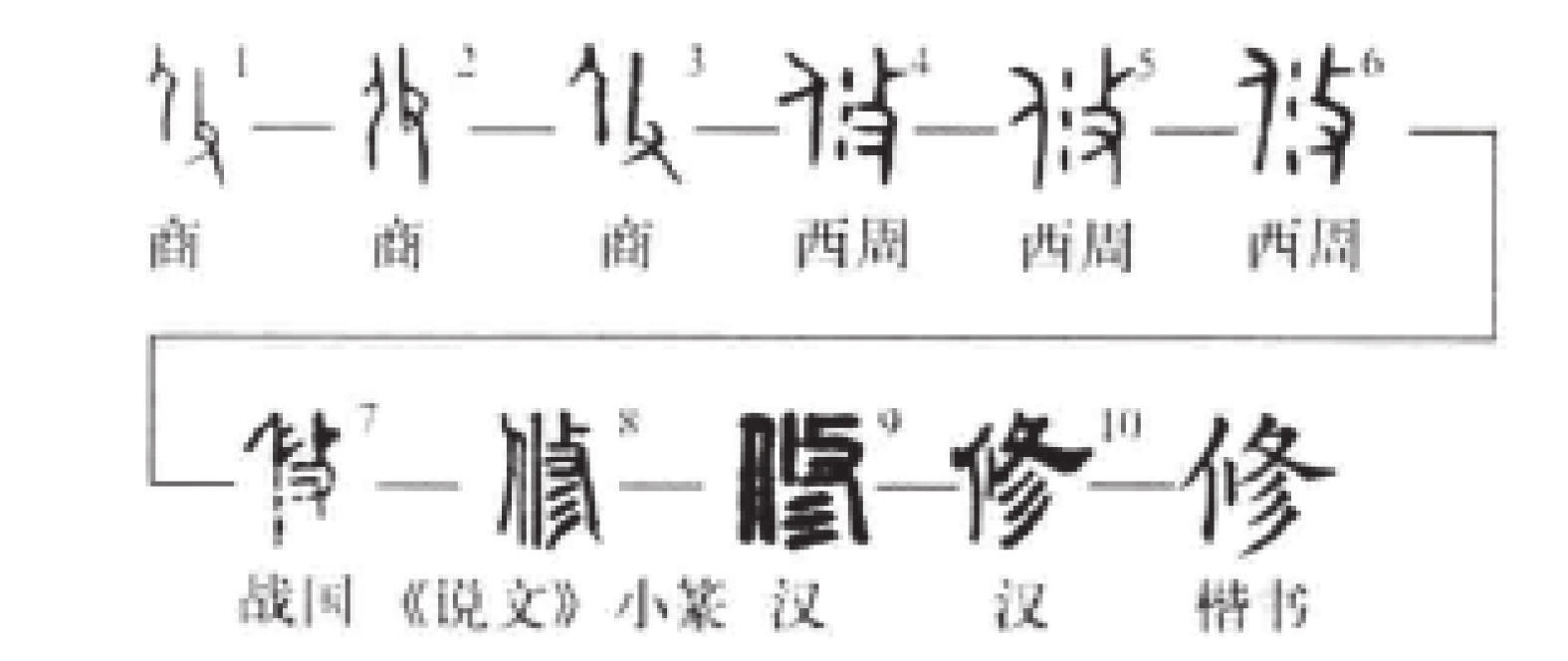
从“万国之子”——不拒斥汉语思想之外其他人类的经验和社会思想的跨文化立场出发,以本土概念修/修行为抓手,汉语人类学尝试展开一种由实践入手的研究进路。在这一进路中,汉语概念既不是理论的终点,也不是文化的标识物,而是一座连接经验与理论、地方与普遍的临时桥梁。修/修行所揭示的,并非某种独特的东方精神,而是人类在时间中通过实践塑造自身的共通命题;其价值在于通过“拂拭—整饬—调治—习练”等过程性工夫,将主体生成、身体技术、伦理训练与生活形态之间的关联重新打通,并由此将“人之成为人”的问题推入可被检验、可被比较的分析场域。由此出发,汉语人类学所追求的,并非以汉语概念取代西方概念,而是在对本土概念的深入体察与方法论反思中,探索一种能够在不同文化经验之间往返、对话并不断生成的理论路径。
关键词: 汉语人类学, 万国之子, 修/修行, 身心实践

Abstract:

Starting from the cross-cultural stance of being “a child of all nations” without rejecting human experiences and social thought beyond the Chinese intellectual world, this paper takes the indigenous concepts xiu/xiuxing (self-cultivation/cultivation practice) as an analytic lever to outline a practice-centered pathway for Chinese anthropology. In this pathway, Chinese concepts are neither the endpoint of theory nor mere cultural markers; rather, they function as provisional bridges linking experience and theory, the local and the universal. What the concepts xiu/xiuxing disclose is not an “essentially Eastern” spirit, but a shared human condition of shaping the self through practice over time. Its value lies in the processual practice of “wiping/cleansing, ordering/rectifying, regulating/attuning, and disciplined exercise”, through which the relations among subject formation, bodily techniques, ethical training, and forms of life are reconnected, thereby bringing human becoming into an analytic field that can be tested and compared. From this vantage point, what Chinese anthropology seeks is not to replace Western concepts with Chinese ones, but to explore, through close engagement with indigenous concepts and sustained methodological reflection, a theoretical pathway capable of moving back and forth across cultural experiences, entering into dialogue, and continuously generating new understandings.

Key words: Chinese anthropology, a child of all nations, xiu/xiuxing, mind–body practice