华东师范大学学报(哲学社会科学版) ›› 2000, Vol. 32 ›› Issue (4): 103-110.doi: 10.16382/j.cnki.1000-5579.2000.04.016

• 文学  语言 • 上一篇    下一篇

见系、照系互谐与上古汉语方言分区

王珏   

  • 收稿日期:2000-01-20 出版日期:2000-07-01 发布日期:2025-12-18

On the Reciprocal Homophony between Jian Group and Zhao (the 3rd degree) Group of the Chinese Characters and the Division of the Ancient Chinese Dialects

Jue WANG   

  • Received:2000-01-20 Online:2000-07-01 Published:2025-12-18

摘要:

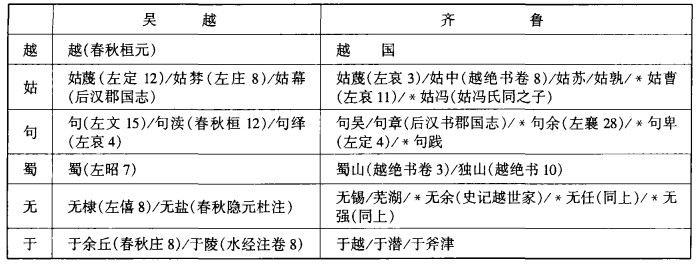
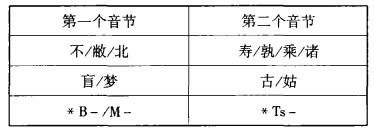
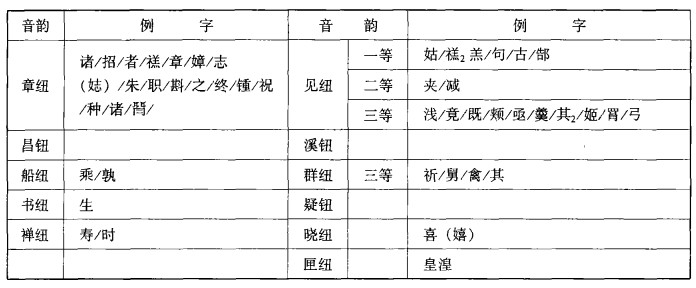
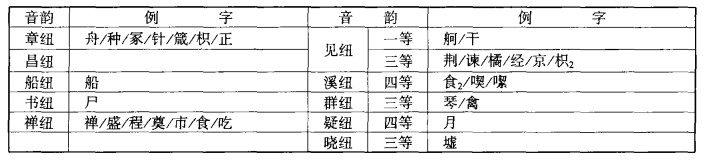
古音学家根据上古见系、照系字互谐现象构拟了一组*Krj-式复辅音。据此, *Krj-在理论上应当有三种可能的演变方向: *K-、*Ts-、*K-/*Ts-。上古时代的齐鲁吴越方言群代表了*Ts-的演变方向, 荆楚南方方言群代表了*K-的演变方向, 中原方言群代表了*K-/*Ts-分流的演变方向。按照上古*Krj-三分的语音演变规律, 可以正确地解释上古汉语一部分疑难词汇以及有关问题。

关键词: 见系, 系, 互谐, 方言分区

Abstract:

According to the mutual homophony between Jian-group and Zhao (the 3rd degree) group of Chinese characters, phonologists set up a group of poly-consonants as *Krj-type. Generally, the *Krj-group should develop in three directions as the following: 1)*Ts-, 2)*Krj-, 3)*K-/*TS-. In ancient times, Qi-Lu-Wu-Yue Dialect developed in the direction of *Ts-, Jing-Chu dialect in the direction of *K-; and Central Plains Dialect in the direction of K-/*Ts-. The paper argues that if seen from this point of view, some ancient Chinese words can be properly explained and some questions concerned can be answered.

Key words: Jian-group of Chinese characters, Zhao (the 3rd degree) group of Chinese characters, mutual homophony, delimiting ancient Chinese dialects