J. East China Norm. Univ. Philos. Soc. Sci ›› 2025, Vol. 57 ›› Issue (6): 130-144.doi: 10.16382/j.cnki.1000-5579.2025.06.012
Previous Articles
Juan Du, Xufeng Zhu
Accepted:
Online:
Published:
Abstract:
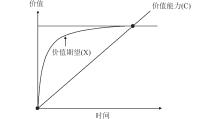
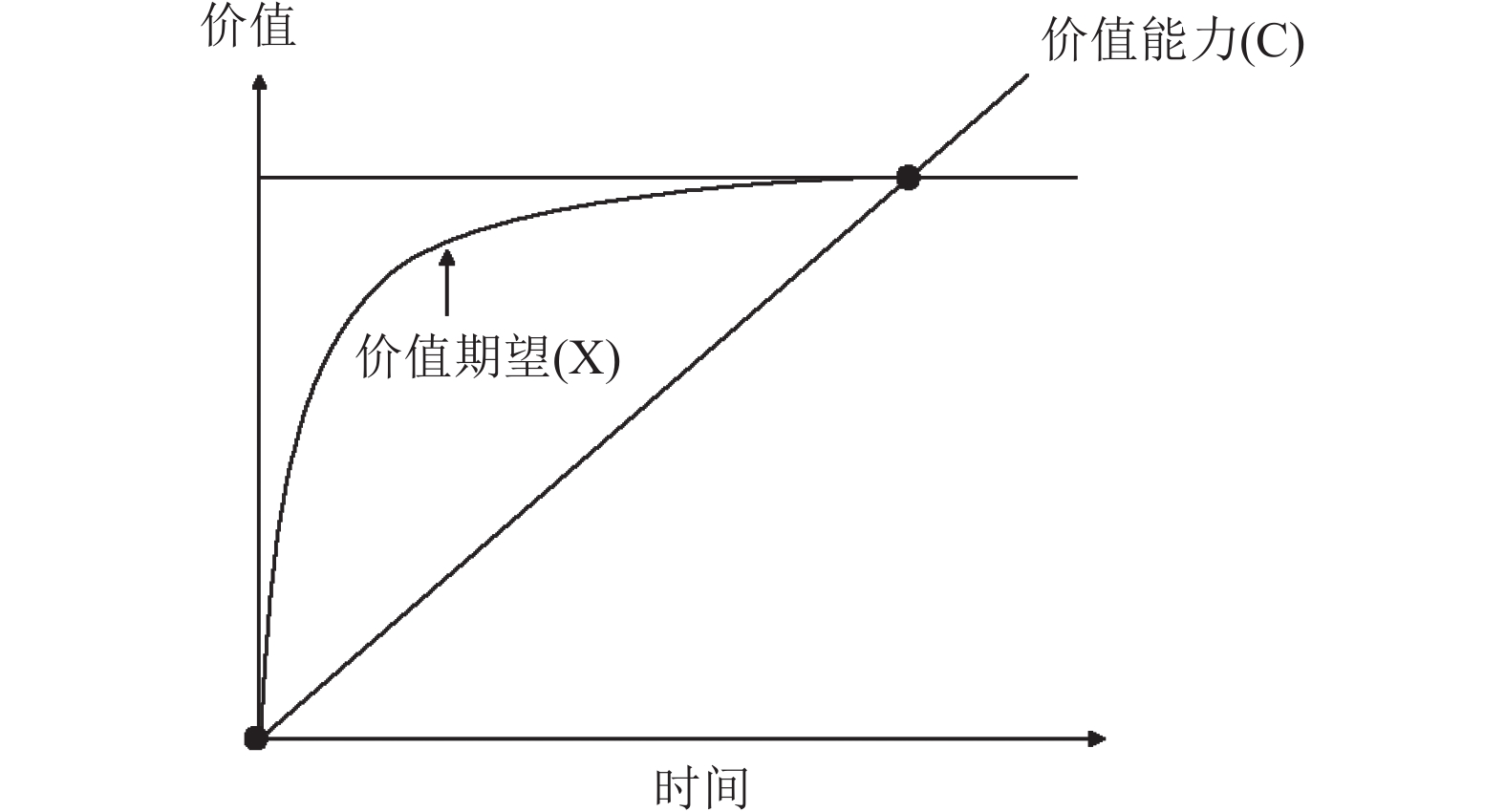
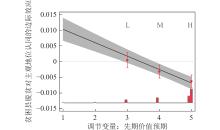
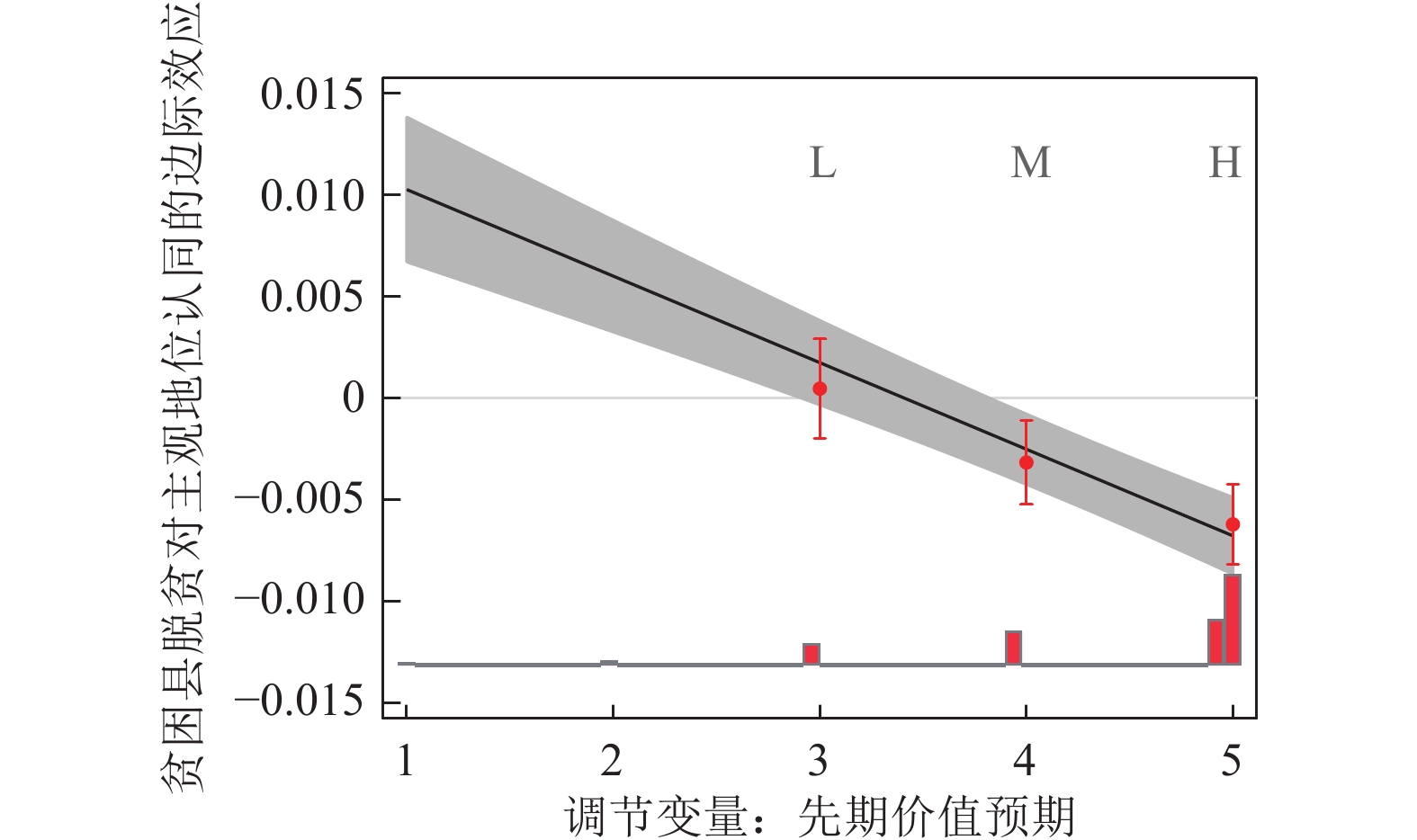
Status identity is the foundation of individuals’ national identity, yet how public policy affects subjective status identity has been largely overlooked. Drawing on social comparison theory from a social cognitive perspective, this paper constructs a theoretical model of “rising expectations— value expectations— value capability” to elucidate the mechanism through which public policy influences subjective status identity. Using data from the China Family Panel Studies, which encompasses over 70,000 nationally representative samples of urban and rural residents from 2012 to 2018, this study finds that poverty alleviation policies have stimulated individuals’ aspirations for self-development, while the gap between these self-expectations and actual capabilities has induced subjective status pressure. Further analysis indicates that poverty alleviation has led to a differentiation in subjective status identity within social groups, with pronounced effects among those with high prior expectations and policy beneficiaries. This study delves into the governance root underpinnings of status identity and sheds light on the impact of macro public policies on micro social cognition of the public.
Key words: social cognition, rising expectation, status identity, status identity, poverty alleviation
Juan Du, Xufeng Zhu. The Rising Expectation Effect of Public Policy:Poverty Alleviation and Subjective Status Identity[J]. J. East China Norm. Univ. Philos. Soc. Sci, 2025, 57(6): 130-144.
0 / / Recommend
Add to citation manager EndNote|Reference Manager|ProCite|BibTeX|RefWorks
URL: https://xbzs.ecnu.edu.cn/EN/10.16382/j.cnki.1000-5579.2025.06.012
https://xbzs.ecnu.edu.cn/EN/Y2025/V57/I6/130
"

 国家社会科学基金学术期刊资助入选期刊