华东师范大学学报(哲学社会科学版) ›› 2025, Vol. 57 ›› Issue (3): 74-86.doi: 10.16382/j.cnki.1000-5579.2025.03.008

• 语言学研究 • 上一篇    下一篇

东西会通中汉语“语法”术语的生成与流变

张娜   

  • 接受日期:2025-04-26 出版日期:2025-05-15 发布日期:2025-05-28
  • 作者简介:张娜,华侨大学华文学院讲师(厦门,361021)
  • 基金资助:
    国务院侨办2022年度华文教育研究课题一般项目“海外华文师资本土化培养模式与职业发展研究”(项目编号:22GQB122);华侨大学华文学院2023年学术研究类重点课题“第二语言能力标准中口语能力描述语研究——以国际上较有影响力的第二语言能力标准为基础”(项目编号:HW202301)。

The Generation and Evolution of the Chinese Term “Yufa” (Grammar) in East-West Cultural Exchange

Na Zhang   

  • Accepted:2025-04-26 Online:2025-05-15 Published:2025-05-28

摘要:

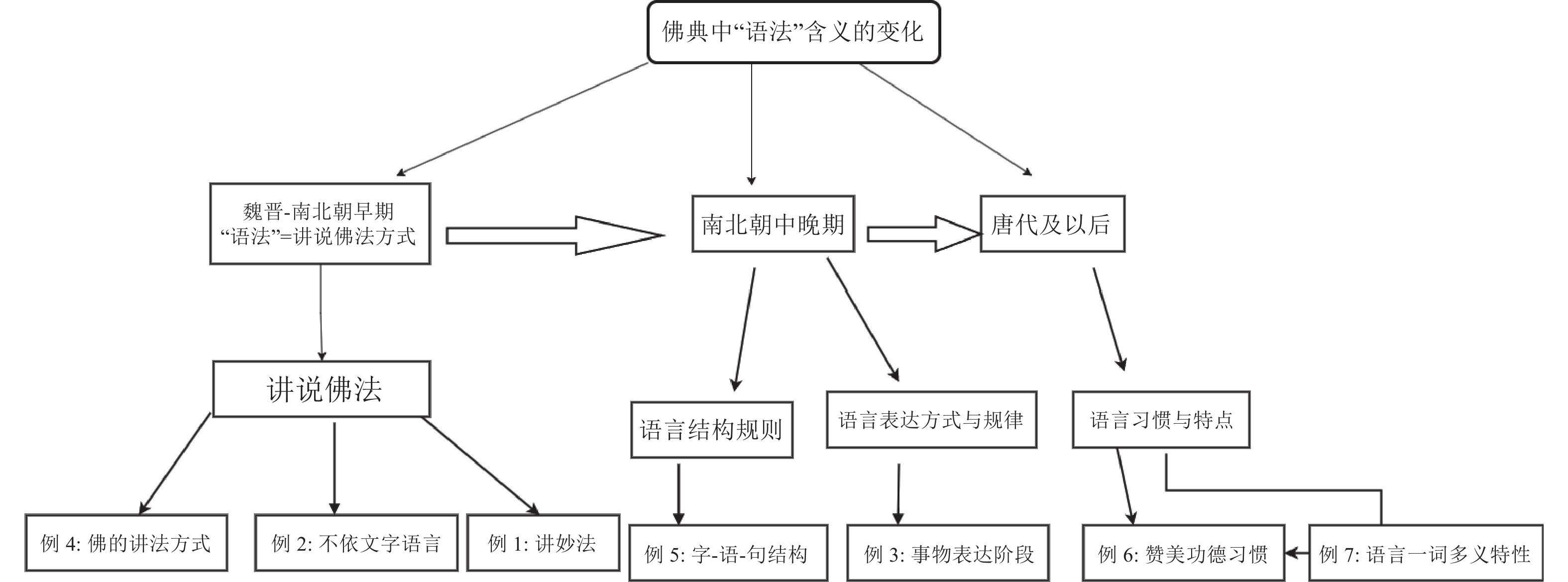
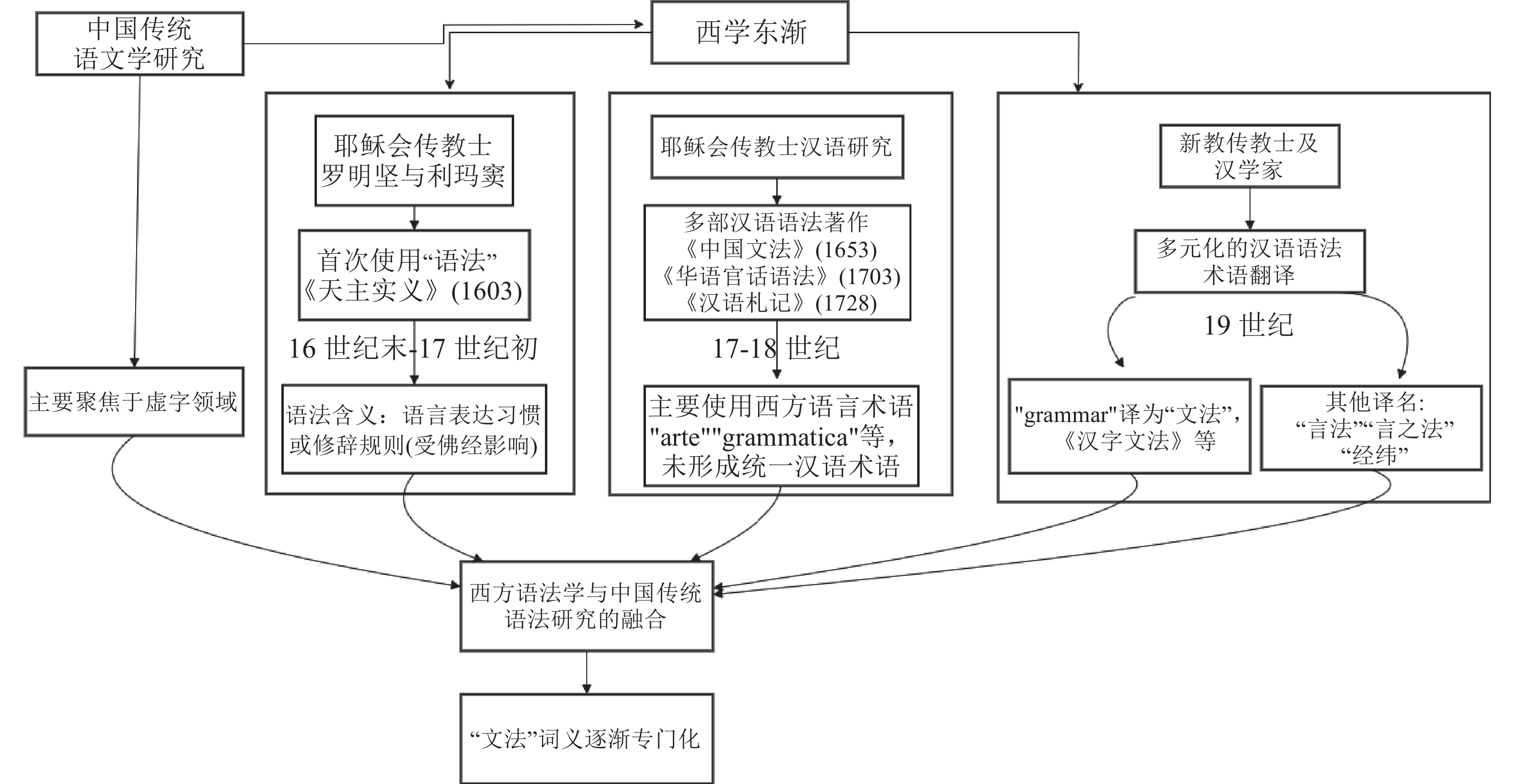
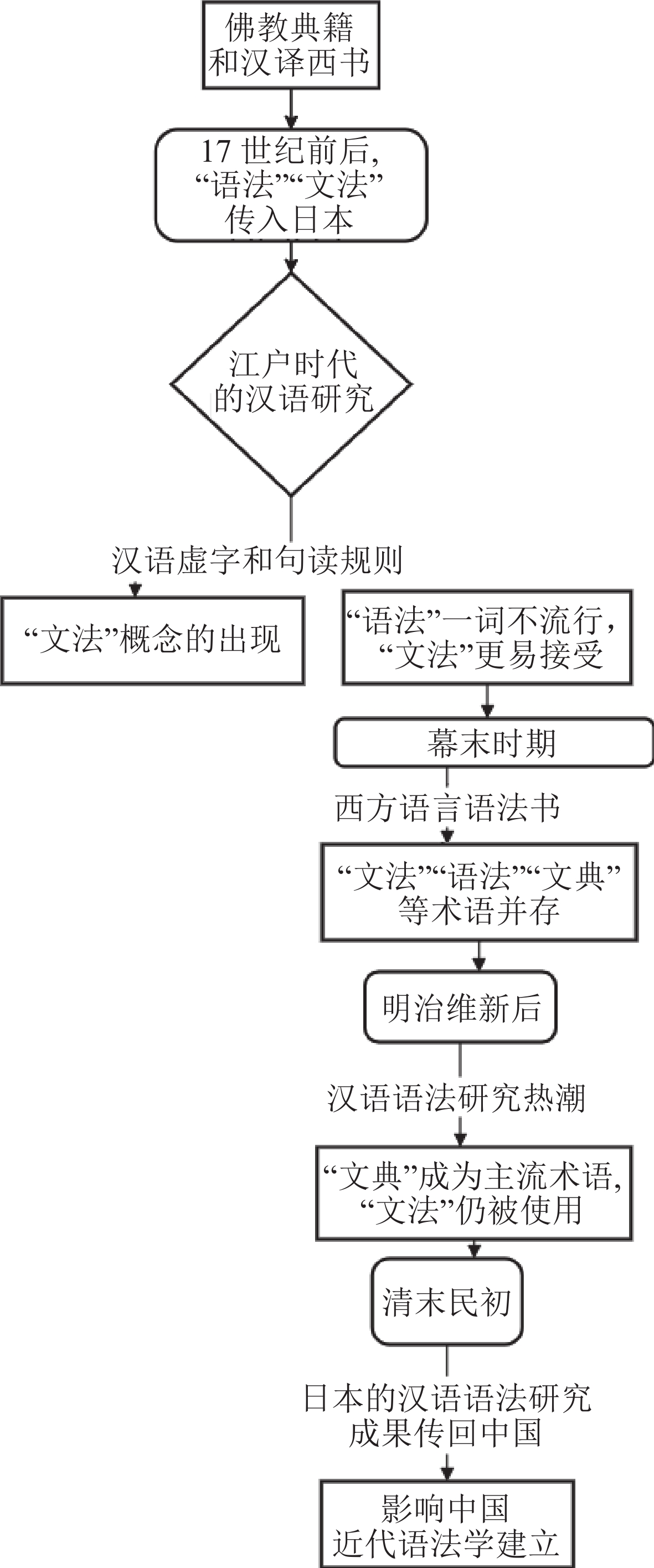
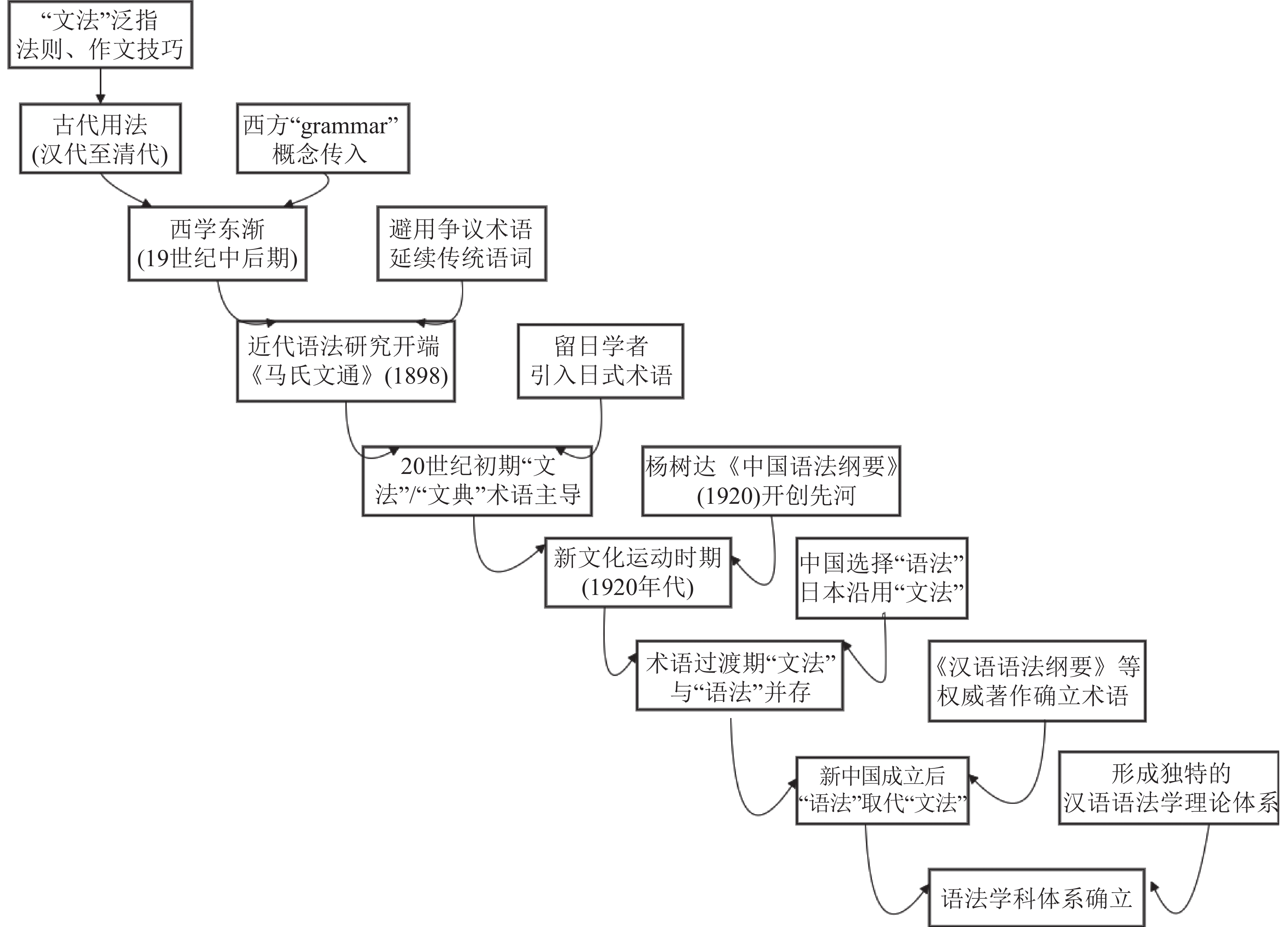
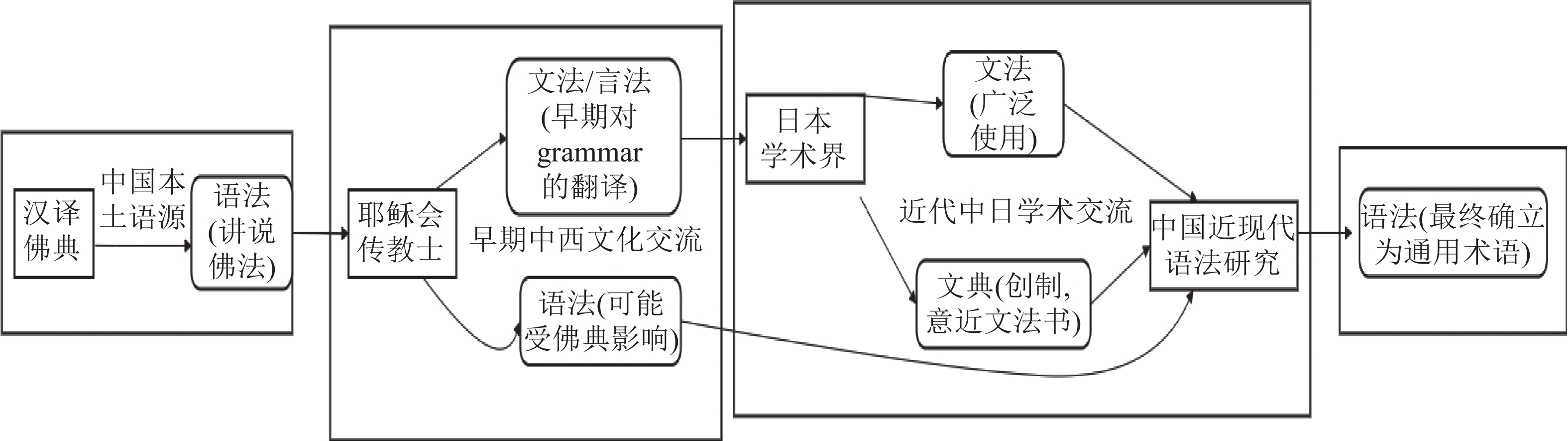
汉语“语法”术语的生成与流变不仅是语言学术语的演变过程,更体现了东西方文化交流与本土知识体系互动的复杂机制。文章采用历史语言学与概念史视角,考察了“语法”术语从汉译佛典的初始萌芽,到西方传教士、汉学家的中介作用,再到日本学术界的二次加工与传播,直至最终在20世纪中国本土语言学中确立现代意义的历史过程。研究发现,“语法”术语的确立经历了从修辞规范到语言结构规则的跨文化转型;同时,日本汉学作为桥梁加速了术语的流变,并显著影响了中国本土语言学的发展方向。文章首次完整勾勒了这一术语的演变路径,为语言学概念史研究提供了新的视野,也为全面地把握术语演变背后的知识谱系、理解文化交流如何塑造了现代学术话语体系提供了一个样本。

关键词: 语法, 术语, 生成, 概念史

Abstract:

The generation and evolution of the Chinese term “yufa” (grammar) not only represents the transformation process of linguistic terminology but also reflects the complex mechanism of East-West cultural exchange and the interaction between foreign and indigenous knowledge systems. This paper, adopting perspectives of historical linguistics and conceptual history, examines the historical journey of the term “yufa” consisting of its initial emergence in Chinese translations of Buddhist classics, the mediating roles of Western missionaries and sinologists, Japanese academia’s secondary processing and dissemination, and its final establishment in Chinese linguistics with its modern significance in the 20th century. The establishment of the term “yufa” underwent a cross-cultural transformation from rhetorical norms to language structural rules; meanwhile, Japanese sinology, serving as a bridge, accelerated the evolution of this term and significantly influenced the development direction of indigenous Chinese linguistics. This paper, for the first time, completely outlines the evolutionary path of this term, providing a new perspective for research in the conceptual history of linguistics. It also offers a case study for comprehensively understanding the knowledge genealogy behind terminological evolution and how cultural exchange has shaped modern academic discourse systems.

Key words: yufa”, terminology, generation, conceptual history